Architectural shingles for North and Central Texas homes.
Compare dimensional shingles by construction, realistic service life, wind protection, algae resistance, impact rating, and price level before choosing a manufacturer or color.
The shingle name is only one part of the decision.
A homeowner should understand what the product is made from, how it is rated, what the warranty actually covers, and how the complete roof system will be installed.
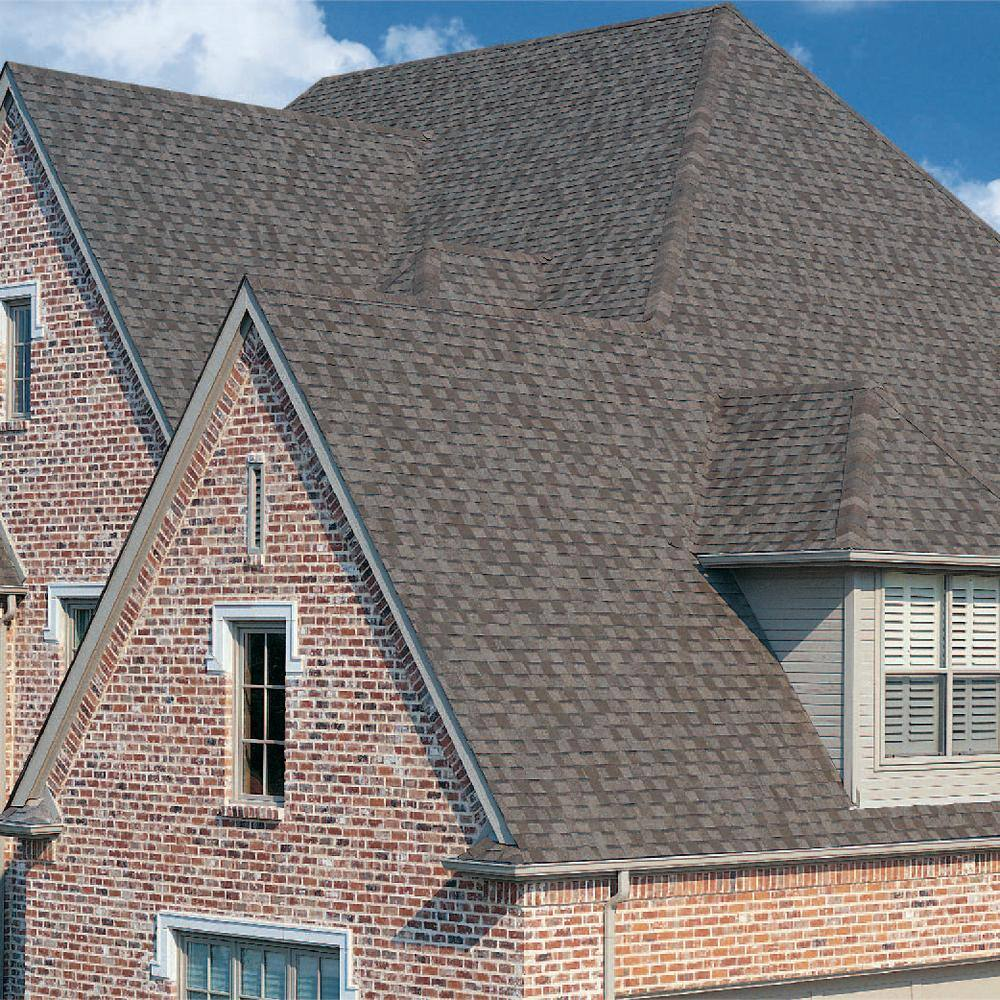
A layered asphalt shingle built for more depth and stronger performance.
Architectural shingles are fiberglass-based asphalt shingles made with laminated layers that create a thicker, more dimensional profile. The staggered pattern and shadow lines help the roof look more substantial than a traditional 3-tab roof.
The category includes basic dimensional shingles, stronger Class 3 impact-rated products, Class 4 impact-resistant products, polymer-modified shingles, and premium designer profiles. Two products can both be called architectural shingles while offering very different levels of protection.
Why most replacement conversations now start with architectural shingles.
A 3-tab shingle can still provide basic roof coverage, but architectural shingles generally give homeowners a better combination of appearance, product choice, wind options, and impact-rated upgrade paths.
Traditional 3-tab shingles
A flatter, single-layer appearance traditionally used for budget-focused roofing and older residential construction.
Architectural shingles
A laminated, dimensional roof covering available in value, performance, impact-rated, and designer product lines.
“Limited lifetime” does not mean the roof will last forever.
Warranty terminology and realistic roof life are not the same thing. Texas heat, hail, wind, attic conditions, installation quality, roof slope, and maintenance all influence when an asphalt roof actually needs replacement.
Texas heat and ultraviolet exposure
Long periods of high roof temperature and direct sun can accelerate asphalt aging, granule loss, sealant fatigue, and thermal movement.
Attic ventilation and moisture
Balanced intake and exhaust ventilation helps manage attic heat and moisture. Poor ventilation can shorten the useful life of the roof assembly.
Fastening and installation quality
High nails, overdriven nails, underdriven nails, missed nail zones, weak starter details, and poor flashing can cause problems long before the shingle material is worn out.
Storm exposure
A single severe hail or wind event can damage a relatively young roof. Impact ratings improve test performance but do not make any asphalt shingle hail-proof.
Roof maintenance and surrounding conditions
Overhanging limbs, clogged drainage, exposed sealants, loose flashings, foot traffic, debris buildup, and delayed repairs can reduce service life.
Impact rating measures test performance. It does not promise zero hail damage.
Underwriters Laboratories Standard 2218 is a laboratory impact-resistance test used to classify roofing materials. Class 4 is the highest rating under that test, while Class 3 is the next level below it.
The asphalt formula can matter as much as the shingle’s marketing name.
Most architectural shingles use traditional oxidized roofing asphalt. Some upgraded products use polymer-modified or rubberized asphalt to improve flexibility, tear resistance, and impact performance.
Standard roofing asphalt
A proven and widely used construction that can provide dependable protection when the product is appropriate for the home and the complete roof is installed correctly.
- Usually the more budget-friendly architectural shingle category.
- Available in broad color selections and familiar product lines.
- Performance varies significantly by reinforcement, sealant, nail zone, and product design.
- Best evaluated by the exact product, not by the word “architectural” alone.
Polymer-modified or rubberized asphalt
These shingles blend asphalt with performance polymers. Some manufacturers use styrene-butadiene-styrene, commonly called SBS, while others use proprietary polymer-modified formulas.
- Designed for greater flexibility than many traditional asphalt products.
- Often used in higher-performing Class 4 or premium shingle lines.
- Can improve tear strength, granule adhesion, and impact-test performance.
- Usually costs more, so the value depends on the home, risk level, and ownership plan.
Read the rating together with the installation requirements.
Wind and algae claims are product-specific. The written warranty, approved accessories, fastener count, nail placement, starter course, roof conditions, and installation instructions determine what coverage actually applies.
Wind ratings and wind warranties
Current architectural shingle lines may advertise wind coverage from roughly 110 miles per hour to 160 miles per hour, depending on the exact product and installation method.
- Enhanced coverage may require a specific fastening pattern.
- Manufacturer starter and hip-and-ridge products may be required.
- The roof deck, edge details, seal strips, and installation temperature can affect performance.
- A warranty wind speed is not a promise that every roof will survive every storm at that speed.
Algae resistance and black streak protection
Dark roof streaks are commonly associated with blue-green algae. Manufacturers use different granule technologies and warranty terms to reduce visible staining.
- Copper-containing granules can help inhibit algae growth over time.
- Some premium lines use 3M Scotchgard Protector and enhanced algae warranties.
- Coverage length and requirements vary by manufacturer and product.
- Nearby trees, shade, moisture, roof direction, and drainage can affect staining.
A practical good, better, best, and premium comparison.
The strongest choice is not automatically the most expensive shingle. The right level depends on budget, hail exposure, insurance policy, curb-appeal goals, and how long the homeowner expects to keep the property.
Standard architectural
A familiar dimensional roof with a broad color range and a more affordable installed price than upgraded impact-rated systems.
Class 3 performance
A stronger middle-tier option that adds tested impact resistance and often includes upgraded nailing zones, wind features, or construction.
Class 4 impact-resistant
The highest Underwriters Laboratories Standard 2218 impact category, often paired with polymer-modified or reinforced construction.
Designer architectural
A heavier, more distinctive profile created to imitate wood shake, slate, or other high-end roof styles while keeping an asphalt shingle system.
Compare the product line, not just the manufacturer logo.
Iron Eagle Roofing helps homeowners compare major shingle systems by actual construction, impact rating, wind requirements, algae protection, color, availability, and installed value.

Malarkey
Rubberized asphalt product lines with clear Class 3, Class 4, and designer upgrade paths.
Compare Malarkey
TAMKO
Traditional architectural, Class 3, and polymer-modified Class 4 options with strong wind-warranty pathways.
Compare TAMKO
IKO
Value, performance, Class 4, and designer choices with distinct nailing-zone and color options.
Compare IKO
Atlas
Class 3 and Class 4 options with 3M Scotchgard Protector available across key architectural lines.
Compare Atlas
Owens Corning
Widely recognized architectural systems with SureNail technology and Class 4 FLEX and STORM product options.
Available by projectA premium shingle cannot correct a weak installation.
Long-term performance depends on the roof assembly beneath and around the shingles. That is why Iron Eagle Roofing compares system details before treating one product name as the entire answer.
Deck and underlayment
The roof deck must be sound, dry, properly fastened, and covered with the correct underlayment and leak-barrier materials.
Starter and edge protection
Starter shingles, drip edge, rake details, and correct seal-strip placement help protect the most wind-sensitive roof edges.
Flashing and penetrations
Walls, chimneys, valleys, pipe penetrations, vents, and transitions need correctly integrated flashing, not surface-level shortcuts.
Ventilation and ridge details
Balanced ventilation and compatible hip-and-ridge components support roof life, appearance, warranty compliance, and finished performance.
Architectural shingle questions worth answering before installation.
The best roof decision comes from understanding the product, the system, and the tradeoffs before signing a contract.
Are architectural shingles worth the upgrade over 3-tab shingles?
For most full residential roof replacements, architectural shingles are usually the more practical choice because they offer better curb appeal, broader product selection, and clearer upgrade paths for wind and impact performance. The exact value still depends on the installed price and product line.
Does a Class 4 shingle prevent hail damage?
No. Class 4 is the highest impact-resistance category under Underwriters Laboratories Standard 2218, but no asphalt shingle is hail-proof. Severe hail can still damage shingles, flashings, vents, gutters, and other roof components.
Is a Class 3 shingle still a worthwhile upgrade?
Yes. Class 3 can be a strong middle option for homeowners who want improved tested impact performance without paying for the highest Class 4 tier. Product construction and pricing should be compared side by side.
Does a limited lifetime warranty mean the roof lasts for life?
No. Limited lifetime describes a manufacturer warranty structure and usually includes terms, exclusions, ownership rules, proration, and installation requirements. It is not a prediction that the roof covering will last for the homeowner's lifetime.
Which architectural shingle is best for North Texas?
There is no single best shingle for every home. A strong recommendation should account for hail exposure, roof design, ventilation, budget, insurance policy, color goals, material availability, and how long the homeowner expects to keep the property.
Can an impact-rated shingle lower homeowners insurance premiums?
It may, but discounts are carrier-specific and policy-specific. Some policies also include cosmetic-damage exclusions or documentation requirements. The homeowner should verify the actual discount and policy tradeoffs directly with the insurance carrier before selecting the roof.